
We Educate Adults
Training Hands,
Building Futures.
Education doesn’t stop with childhood.
At Project Canaan, we empower adults through vocational and life-skills training, creating lasting change for individuals and families across Eswatini.

Vocational Training
Our trades programs equip men and women with hands-on skills in carpentry, mechanics, farming, bead-work, construction and more.
Lusito Training Program
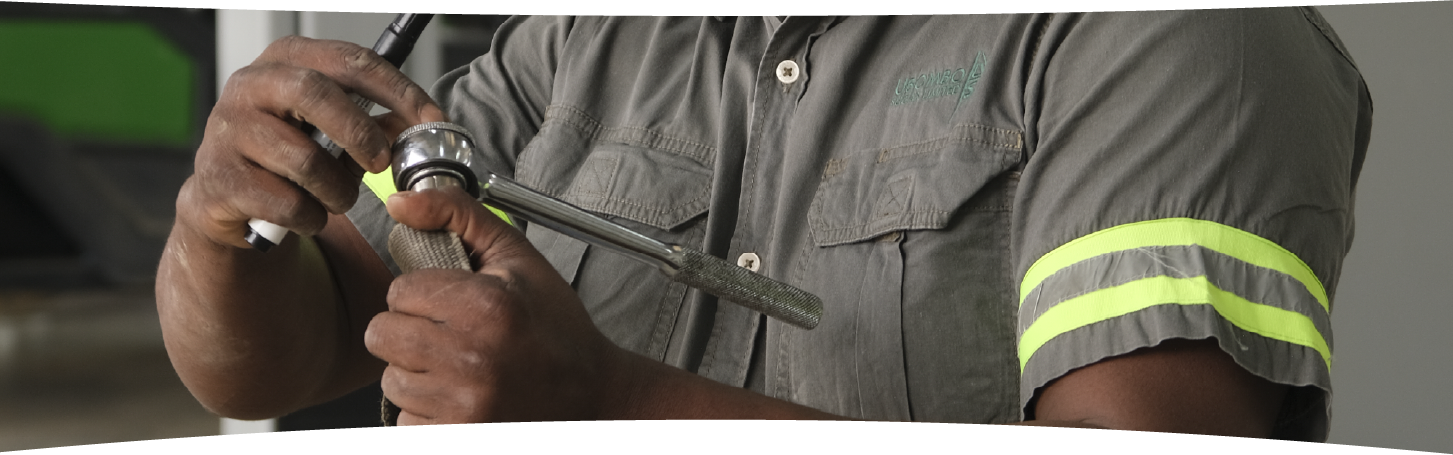
The Lusito Mechanics Training Program offers professional instruction and certification for those seeking a career in the automotive field.
Life Skills and Wellness
Lehora leKufundza
“Knowledge is Power” in siSwati.
Our bi-weekly lunch-and-learn classes educate staff and community members on critical health and social issues, including:

HEALTH
HIV/AIDS, tuberculosis, STDs, family planning, birth control, hygiene

SOCIAL AWARENESS
Child protection, domestic violence, violent crime, children’s rights, myths about albinism

LIFE SKILLS
Financial literacy, parenting, and wellness
Project Canaan empowers adults to make informed choices, strengthen their families, and build resilient communities.
Apply for our Mechanic Program
Through our Lusito Mechanics Training Program, local Swazis gain practical skills to maintain and fix vehicles, heavy equipment like tractors, weld, and more.
Complete the form below to learn more about our mechanic program and how to register.
We educate adults FAQs
Why does Project Canaan focus on adult education as well as children’s education?
Many adults in Eswatini have limited access to formal schooling or vocational training. By equipping adults with skills and knowledge, we help families move toward self-reliance and break the cycle of poverty.
What kinds of vocational training are available at Project Canaan?
Adults can learn practical skills such as farming, animal husbandry, woodworking, mechanics, construction, and artisan work. These skills not only provide steady employment but also create opportunities to start small businesses and support families.
Are women included in adult education and training programs?
Yes. Women are a vital part of our workforce and are trained in areas such as artisan crafts, greenhouse farming, and childcare. Offering women equal opportunities for training strengthens families and communities.
What is Khutsala Artisans and how does it support adult education?
Khutsala Artisans is one of our vocational programs where adults are trained to make high-quality, handmade goods. These products are sold internationally, and proceeds help support Project Canaan’s mission while artisans earn steady incomes and develop creative skills.
Do adults receive general education at Project Canaan, or only vocational training?
In addition to vocational training, we provide general education such as literacy, numeracy, health education, and financial literacy. This helps adults build confidence, manage resources, and provide better for their families.
How does vocational training help with unemployment in Eswatini?
With unemployment rates in Eswatini as high as 34–35%, vocational training provides a pathway to stable jobs and reduces dependence on outside aid. Training equips adults with marketable skills, increasing their employability and improving economic stability in their households.
How many adults benefit from training at Project Canaan?
Hundreds of adults have been trained or employed across our vocational centres — from the mechanic shop and woodworking centre to the farms, dairy, and artisan workshops. Each adult trained impacts an entire household.
Can adults who are employed at Project Canaan also continue learning?
Yes. Many employees receive on-the-job training and ongoing mentorship to improve their skills. Whether it’s learning new farming techniques, leadership skills, or advanced artisan methods, continuous learning is encouraged.
What is the long-term goal of educating adults at Project Canaan?
Our goal is to create a generation of skilled, confident, and employed adults who can support their families, strengthen their communities, and reduce poverty in Eswatini. Educating adults has a ripple effect that benefits entire households and future generations.