
Sustainability
Initiatives

At Project Canaan, sustainability isn’t a goal, it’s a promise.

We are building a model of long-term transformation in Eswatini, one that can stand on its own by the year 2030.

Growing Vines
Economic Sustainability

Building a Self-Sustaining Future

Economic Sustainability is about building lasting financial stability through sustainable farming, local enterprise, and job creation.

By developing income-generating initiatives, we’re ensuring Project Canaan can thrive independently and continue supporting the community for generations to come.

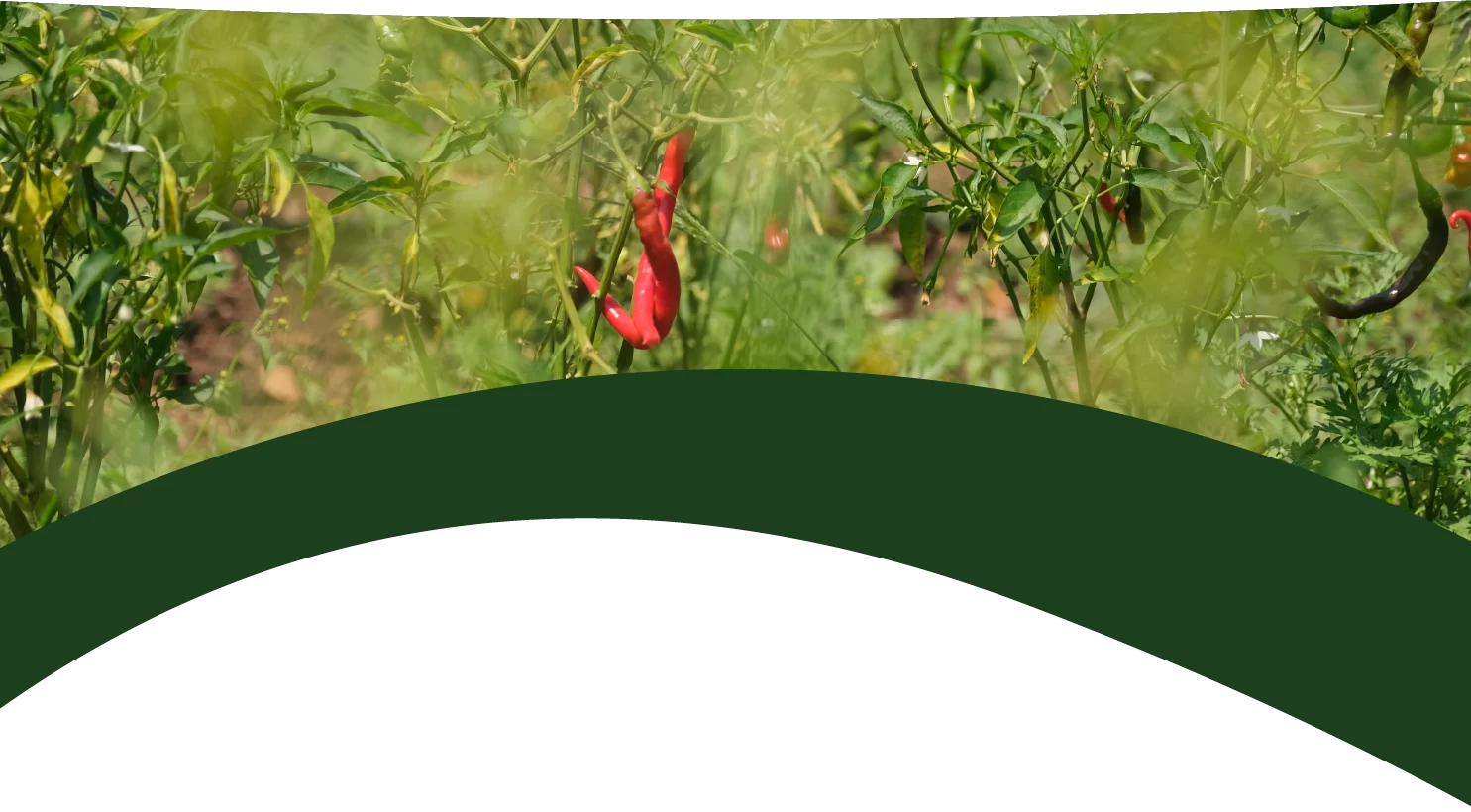
Red Chilli Plant
Dairy Production

Dairy Production:

Our dairy production is a cornerstone of sustainability. Our growing dairy herd provides fresh milk, yogurt, and amasi while fuelling our plan to produce butter, yogurt, mozzarella, and ice cream in a future food manufacturing facility. With a new commercial mozzarella stretcher, we could become one of Eswatini’s few local mozzarella suppliers. By 2031, 200 milking cows will produce over 1,000 gallons of milk daily, feeding our community and generating up to 5,000 pounds of mozzarella weekly, creating jobs and income. Every drop of milk strengthens our mission and supports generations to come.


Dairy Production:

Our dairy production is a cornerstone of sustainability. Our growing dairy herd provides fresh milk, yogurt, and amasi while fuelling our plan to produce butter, yogurt, mozzarella, and ice cream in a future food manufacturing facility. With a new commercial mozzarella stretcher, we could become one of Eswatini’s few local mozzarella suppliers. By 2031, 200 milking cows will produce over 1,000 gallons of milk daily, feeding our community and generating up to 5,000 pounds of mozzarella weekly, creating jobs and income. Every drop of milk strengthens our mission and supports generations to come.
Vanilla Farming

Vanilla Farming:

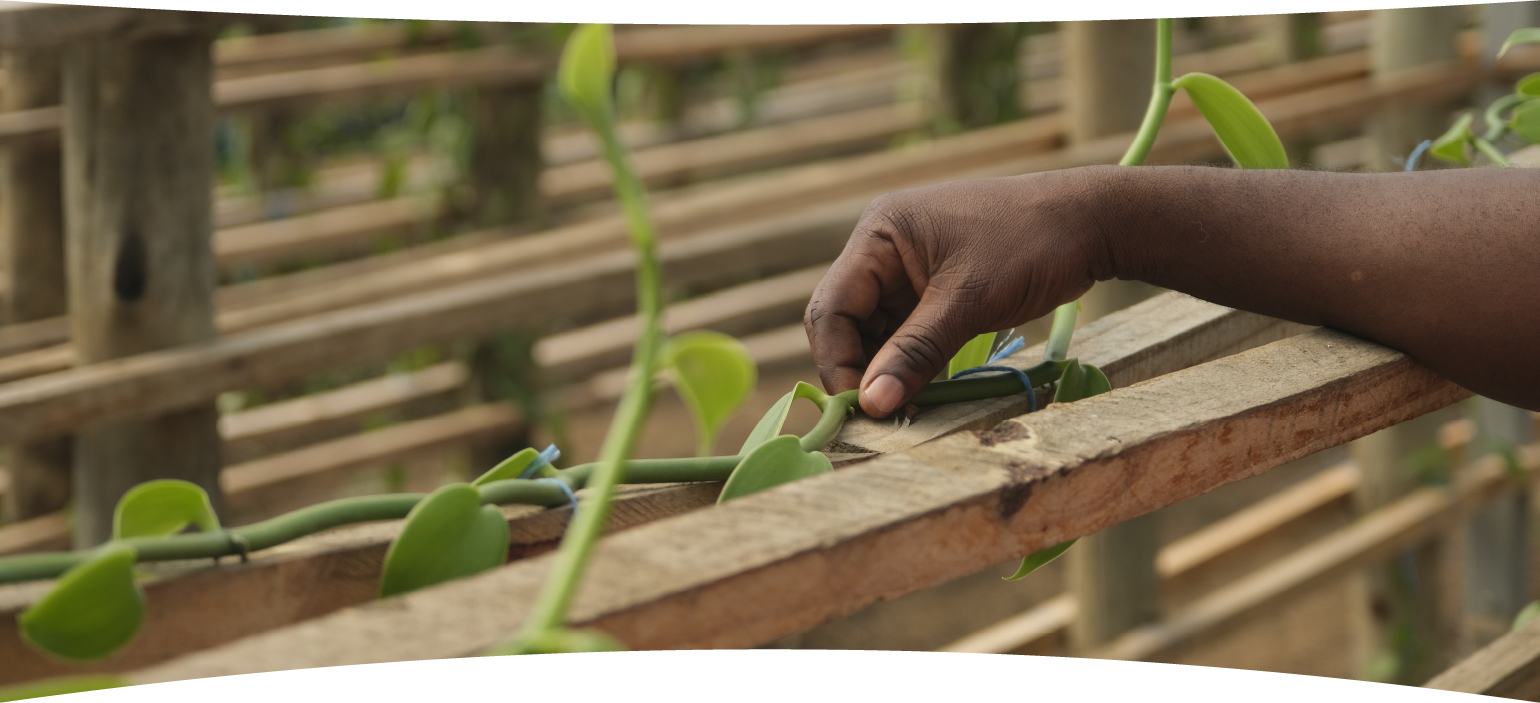
Vanilla is one of the world’s most valuable spices, with prices up to $600 per kilogram and a global market projected to exceed $5 billion by 2032. At Project Canaan, we’re growing high-quality, ethically farmed vanilla in Eswatini, creating jobs, teaching skills, and reducing reliance on external funding. The Vanilla Project is an investment in our future. Each vine brings us closer to our 2030 sustainability goals, ensuring that every child on Project Canaan can thrive today and dream bigger tomorrow.
Vanilla Farming:

Vanilla is one of the world’s most valuable spices, with prices up to $600 per kilogram and a global market projected to exceed $5 billion by 2032. At Project Canaan, we’re growing high-quality, ethically farmed vanilla in Eswatini, creating jobs, teaching skills, and reducing reliance on external funding. The Vanilla Project is an investment in our future. Each vine brings us closer to our 2030 sustainability goals, ensuring that every child on Project Canaan can thrive today and dream bigger tomorrow.

Crop Production

Crop Production:

Our farm produces fruits and vegetables that feed over 450 children daily and generate income through sustainable agriculture. In 2023, we earned Global G.A.P. Certification, opening doors to international trade. On December 26, 2024, we shipped our first produce export to South Africa, proving that purpose and productivity can go hand in hand. Every seed we plant feeds children, empowers local workers, and sustains our mission.

Crop Production:

Our farm produces fruits and vegetables that feed over 450 children daily and generate income through sustainable agriculture. In 2023, we earned Global G.A.P. Certification, opening doors to international trade. On December 26, 2024, we shipped our first produce export to South Africa, proving that purpose and productivity can go hand in hand. Every seed we plant feeds children, empowers local workers, and sustains our mission.
Solar Power

Solar Power:

We produce our own electricity through solar panels, reducing costs and generate profit by selling excess capacity back to the national grid.

Solar Power:

We produce our own electricity through solar panels, reducing costs and generate profit by selling excess capacity back to the national grid.

Lusito Mechanic Shop

Lusito Mechanic Shop:

Maintains Project Canaan’s fleet in-house, saving on repair costs and downtime. Provides hands-on vocational training in mechanics and welding for local community members. Expands services to the wider community, generating income and strengthening local engagement.


Lusito Mechanic Shop:

Maintains Project Canaan’s fleet in-house, saving on repair costs and downtime. Provides hands-on vocational training in mechanics and welding for local community members. Expands services to the wider community, generating income and strengthening local engagement.

Khutsala™ Artisans

Khutsala™ Artisans:

Crafts handmade beadwork and jewelry sold internationally, with proceeds directly supporting the children of Project Canaan.

Khutsala™ Artisans:

Crafts handmade beadwork and jewelry sold internationally, with proceeds directly supporting the children of Project Canaan.

Kufundza Carpentry Centre

Kufundza Carpentry Centre:

Produces high-quality furniture for Project Canaan’s facilities, and soon for sale beyond.

Kufundza Carpentry Centre:

Produces high-quality furniture for Project Canaan’s facilities, and soon for sale beyond.

Lusito Training Centre

Lusito Training Centre:

Provides paid mechanic training and certification, generating revenue while empowering future tradespeople.
Lusito Training Centre:

Provides paid mechanic training and certification, generating revenue while empowering future tradespeople.

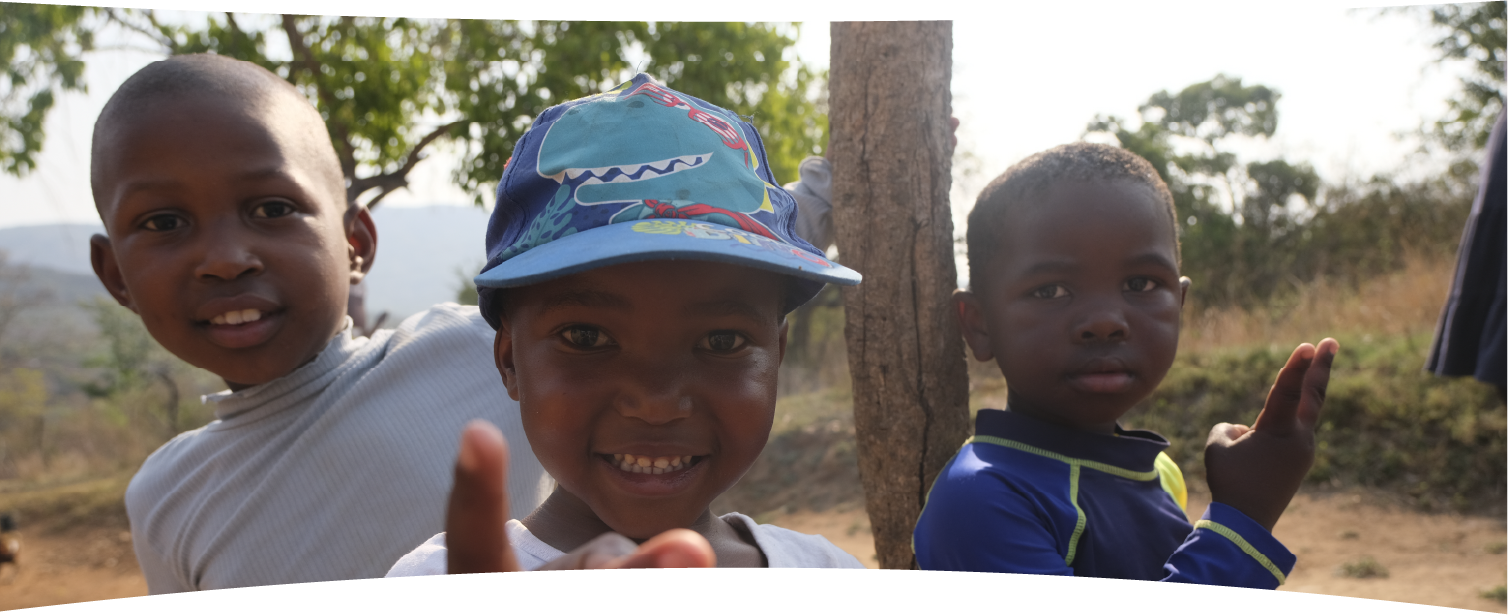
Children at a tree
Social Sustainability

Empowering People, Strengthening Communities

Social Sustainability focuses on empowering people through education, healthcare, and employment. By investing in individuals and families, we’re strengthening communities and creating opportunities that break the cycle of poverty.

Sustainability isn’t just about systems, it’s about people.

Empowerment Through Education:

Education is at the heart of transformation. From Project Canaan Academy to adult vocational training, we’re equipping both children and adults with the tools to build brighter futures and break the cycle of generational poverty.
Access to Healthcare:

Our healthcare provisions for our children and staff on Project Canaan create a ripple effect of positive impacts across multiple dimensions of social sustainability, from immediate health outcomes to long-term community development.
Providing Employment:

With more than 480 employees, Project Canaan creates meaningful work that uplifts over 3,400 individuals in surrounding communities. Employment fuels both economic stability and social growth.
Building Community & Social Equity:

We work with local leaders to identify needs, provide resources, and offer job opportunities that promote social inclusion. Through our Children’s Campus, we are also raising the next generation of Swazis who will continue to serve Eswatini with integrity and compassion.
Crops in rows in field
Environmental Sustainability

Building a Legacy, Protecting the Future

Environmental Sustainability means protecting and restoring the natural resources that sustain life. Through responsible farming, water conservation, renewable energy, and reforestation, we’re caring for the land today to preserve it for tomorrow.

We are building something that will last for generations, and that starts with caring for the land we call home.

Limiting Food Waste

Limiting Food Waste:

About one-third of all food produced globally is lost or wasted, consuming unnecessary resources and contributing to greenhouse gas emissions. We minimize waste by repurposing nearly all produce: overripe fruit becomes jams or muffins, vegetable peels and chicken carcasses are simmered into broths, leftover porridge, rice, and bones go to local pig farmers, and used cooking oil fuels Ngwenya Glass. Even cheese whey is reused on the farm. Every ingredient is maximized to feed children, support livelihoods, and protect the environment.

Limiting Food Waste:

About one-third of all food produced globally is lost or wasted, consuming unnecessary resources and contributing to greenhouse gas emissions. We minimize waste by repurposing nearly all produce: overripe fruit becomes jams or muffins, vegetable peels and chicken carcasses are simmered into broths, leftover porridge, rice, and bones go to local pig farmers, and used cooking oil fuels Ngwenya Glass. Even cheese whey is reused on the farm. Every ingredient is maximized to feed children, support livelihoods, and protect the environment.

Water Conservation

Water Conservation:

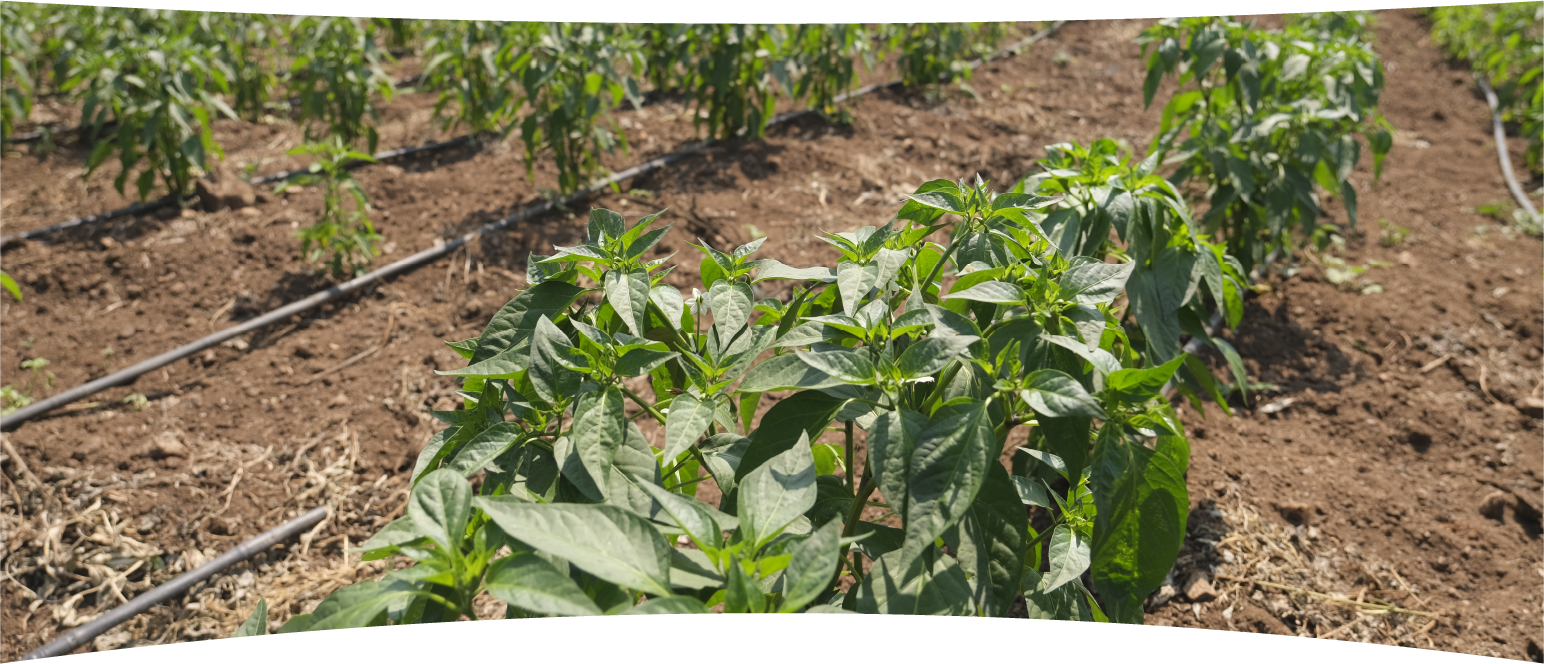
Agriculture accounts for roughly 70% of freshwater use globally, making efficient water management essential. At Project Canaan, we’ve implemented drip irrigation across 17 acres of produce, using up to 90% less water than traditional sprinklers. Thanks to a recent donation from Gleanings for the Hungry, we can expand this system to 17 acres of alfalfa and 22 acres of grass fields for our dairy cows. In a water-scarce country like Eswatini, this ensures reliable harvests while conserving one of our most precious resources.

Water Conservation:

Agriculture accounts for roughly 70% of freshwater use globally, making efficient water management essential. At Project Canaan, we’ve implemented drip irrigation across 17 acres of produce, using up to 90% less water than traditional sprinklers. Thanks to a recent donation from Gleanings for the Hungry, we can expand this system to 17 acres of alfalfa and 22 acres of grass fields for our dairy cows. In a water-scarce country like Eswatini, this ensures reliable harvests while conserving one of our most precious resources.

Solar Power

Solar Power:

Our solar panels have produced clean electricity since 2021, preventing over 331,600 kg of CO2 emissions. The equivalent of planting 9,900 trees. This renewable energy reduces costs and carbon footprint, allowing us to redirect resources toward caring for children and sustaining our programs.


Solar Power:

Our solar panels have produced clean electricity since 2021, preventing over 331,600 kg of CO2 emissions. The equivalent of planting 9,900 trees. This renewable energy reduces costs and carbon footprint, allowing us to redirect resources toward caring for children and sustaining our programs.

Black Diesel

Black Diesel:

We filter and repurpose used car oil through a centrifuge to create black diesel that powers our heavy farming vehicles, cutting waste and costs.

Black Diesel:

We filter and repurpose used car oil through a centrifuge to create black diesel that powers our heavy farming vehicles, cutting waste and costs.

Soil Preservation

Soil Preservation:

Crop rotation helps break pest cycles, balance soil nutrients, and increase long-term yields.
Soil Preservation:

Crop rotation helps break pest cycles, balance soil nutrients, and increase long-term yields.
Organic Fertilizer

Organic Fertilizer:

Manure from our cows and chickens is composted and returned to the fields, creating a full-circle agricultural system. Chicken manure from our 6,000-bird flock fertilizes vegetable crops, while cow manure from 170+ cows enriches dry fields to grow grass for animal feed.


Organic Fertilizer:

Manure from our cows and chickens is composted and returned to the fields, creating a full-circle agricultural system. Chicken manure from our 6,000-bird flock fertilizes vegetable crops, while cow manure from 170+ cows enriches dry fields to grow grass for animal feed.

Worm Pit Composting

Worm Pit Composting:

Our worm pits produce nutrient-rich castings for vanilla crops, improving soil quality with 5x more nitrogen, 7x more phosphorus, and 11x more potassium than surrounding soil. With 200,000–400,000 earthworms, these natural composters turn waste into powerful fertilizer.
Worm Pit Composting:

Our worm pits produce nutrient-rich castings for vanilla crops, improving soil quality with 5x more nitrogen, 7x more phosphorus, and 11x more potassium than surrounding soil. With 200,000–400,000 earthworms, these natural composters turn waste into powerful fertilizer.

Tree Planting

Tree Planting:

We’ve planted over 5,000 trees to prevent soil erosion, enhance biodiversity, and promote a healthier ecosystem for future generations.

Tree Planting:

We’ve planted over 5,000 trees to prevent soil erosion, enhance biodiversity, and promote a healthier ecosystem for future generations.

Economic

Our goal is to make Project Canaan 100% economically self-sustainable by 2030. That means covering operational costs through revenue-generating projects rather than relying solely on donations.

We are expanding enterprises such as vanilla farming, dairy products, crop farming, Khutsala Artisans, Lusito Mechanic Shop, carpentry, and solar power production. These initiatives produce goods and services that generate income while also creating jobs.

Vanilla is a high-value crop. By growing and selling vanilla products internationally, Project Canaan expects to generate significant profits to help offset operating costs and fund care for children.

Our dairy operation produces milk and other products. A new food manufacturing facility will allow us to process items like mozzarella cheese, creating new revenue opportunities.

In 2025, revenue is projected to cover 36% of expenses. By 2029, we aim to reach 86%, and by 2030, we expect to achieve 108%, making Project Canaan self-sustainable.

The shop repairs vehicles and equipment for both Project Canaan and the community. It offsets our costs while generating profit through services and a training centre that provides mechanic certifications.

Solar energy reduces our electricity costs and allows us to sell excess power back to the national grid, creating both savings and revenue.

We use drip irrigation systems that reduce water use by up to 90% compared to traditional methods.

We use all aspects of our produce, from banana leaves to nearly expiring fruit, which can be turned into jams and other value-added products.

Since 2021, our solar panels have saved over 278,600 kg of CO2 emissions, while also providing reliable renewable energy.

Black diesel is created by filtering used car oil through a centrifuge. It powers our heavy farming equipment, reducing waste and fuel costs.

Manure from our cows and chickens is composted and used as natural fertilizer for fields, enriching the soil and supporting sustainable farming.

Crop rotation helps break pest and disease cycles, balancing nutrients and preserving soil health.

We have planted over 5,000 trees on the property, reducing erosion, improving biodiversity, and supporting long-term land health.

Environmental

Social sustainability means investing in people. We empower children and adults through education, healthcare, and employment so they can break the cycle of poverty.

We work with communities around Project Canaan to offer support and job opportunities, while also raising the next generation of leaders through our Children’s Campus.

Education transforms lives. It empowers individuals, strengthens communities, and builds resilience for future generations.

Employment provides income, stability, and investment in local communities. Jobs created at Project Canaan benefit not just employees, but also their families and the broader economy.

Access to healthcare improves immediate wellbeing and creates ripple effects in long-term community development, supporting stronger, healthier families.