
We Grow Food

Growing Food
Growing Hope
At Project Canaan, every seed planted is a step toward ending hunger in Eswatini. Our 1,000-hectare sustainable farm produces nutritious food for hundreds of children and staff each day, while creating jobs and long-term food security for our community.

What We Grow
From fruits and vegetables to dairy, eggs, and livestock, our farm is the heart of Project Canaan’s sustainability mission.
Fresh produce
We grow a variety of tomatoes, green beans, chilis, garlic, baby marrows, bananas, paw paws, avocados, and more.

Dairy
We produce milk, amazi, yogurt and our own Mozzarella cheese!

Livestock
We raise chickens and
dairy cows.
Everything we grow supports our mission
to feed our children and sustain our community

Feeding
Our Children
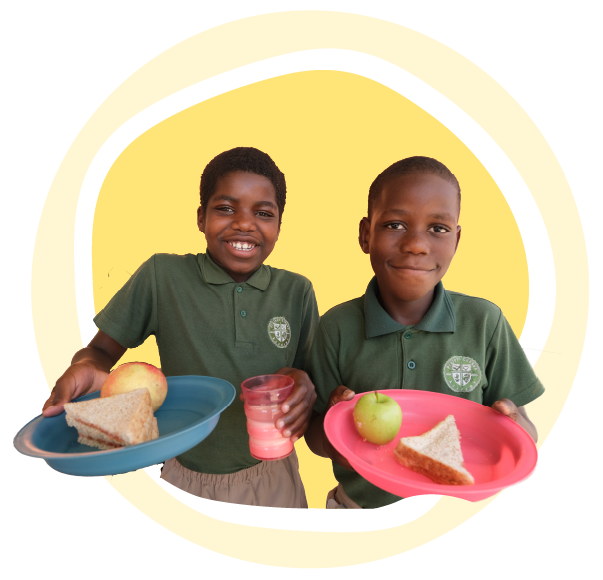
Our children rely daily on the food grown right here on Project Canaan. Each meal represents nourishment, dignity, and care, because every child deserves to grow strong and healthy.
Creating
Economic Sustainability
By selling our excess produce and dairy products, we generate income to help offset costs to care for our children.
Every purchase helps keep our farm and our mission thriving.
We Grow food FAQs
Why is growing food locally so important in Eswatini?
Local food production is crucial because Eswatini faces high levels of food insecurity — over 16-20% of the population are in food crisis or worse (IPC Phase 3 or above) at various times of year. Producing food locally helps reduce the country’s dependence on imports, improves food availability, and builds resilience against climate shocks.
What kinds of agriculture does Project Canaan operate?
We run a variety of agricultural initiatives: crop farms, greenhouses (including a vanilla project), chicken egg barns, dairy farms, and a dairy herd. These contribute to both feeding our children’s home and creating income and employment for the community.
How does the dairy farm at Project Canaan help the community?
Our dairy farm provides fresh milk for children and staff, offers training and jobs, and helps us reduce cost by producing what we need rather than importing. Given that Eswatini produces only about 20 million cubic litres of milk annually while demand is much higher (around 84 million cubic litres), every local dairy effort helps close that gap.
How does the egg barn function and what is its role?
The egg barn raises hens for egg production. The eggs are used to feed children, staff, and are sometimes used within the wider community or for small scale sales. This supports nutrition, especially protein intake, and provides a steady stream of income and food security.
Do your farms follow sustainable or climate-friendly practices?
Yes. We aim to practice sustainable agriculture by using greenhouses, efficient feed systems for our dairy, careful pasture management, and locally appropriate farming techniques. These help us adapt to erratic weather, drought conditions, and other environmental challenges in Eswatini.
How much food does Project Canaan produce, and how is it used?
A significant portion of what we grow is consumed directly by the children’s home and staff (milk, eggs, vegetables). Surpluses from crops or livestock projects are used either for community feeding programs or to help sustain our operations.
What challenges does agriculture face in Eswatini, and how do you overcome them?
Key challenges include droughts, unpredictable rainfall, high feed costs, and infrastructure limitations. We counter these by using greenhouses, maintaining dairy infrastructure carefully, choosing crops suited to local climate, and training our team in best practices.
How many people are employed in your agricultural programs?
Project Canaan employs many local staff across agriculture, dairy, chicken farms, greenhouses, and other food-related initiatives. These jobs are vital in providing stable income and helping reduce local unemployment and poverty.
How do your agricultural efforts contribute to food security statistics for Eswatini?
Eswatini’s food insecurity is worsened by frequent droughts and climate change. By producing milk, eggs, and crops locally, Project Canaan directly contributes to lowering food insecurity; feeding children and staff reduces strain on household food resources; and employment in agriculture helps reduce the number of people relying entirely on external aid.
Can visitors see the farms and agriculture operations when they visit Project Canaan?
Yes. On Full Project Canaan Tours and during special visits, guests are taken through our farms (dairy, chicken, crops, greenhouses) so they can see how food is grown, animals cared for, and agricultural sustainability in action.